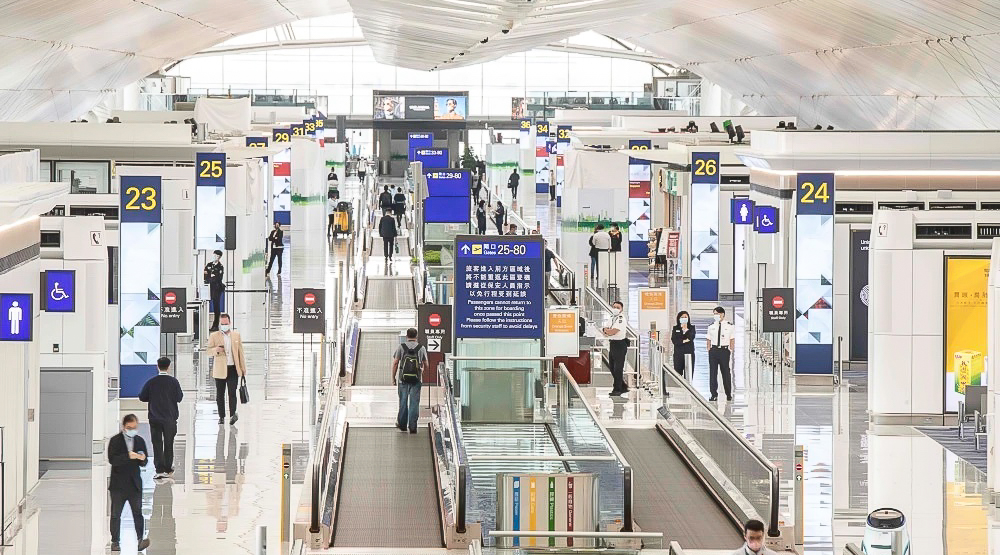
gates slowly starting to open
how is policy shifting?
- PRC now facing the cost of COVID (at least C¥600 bn in 2020)
- movement of people and goods loosening
- reforms to medical cost-sharing speeding up
For all the Politburo’s firm support for zero-COVID, policymakers are evidently considering easing COVID-19 quarantine and allowing more international movement of people and goods. Senior policy wonks, Yao Yang 姚洋 Peking University and Zheng Yongnian, 郑永年 University of Hong Kong, Shenzhen, concur that zero-COVID, cost-benefit positive at the centre, becomes too costly from red tape added at the local level.
loosening zero-COVID
COVID-19 restrictions on international and domestic shipping, and at passenger and vehicle terminals, have been streamlined by the Transport Ministry. In all, 119,000 land, water and air goods carriers have been examined by NIA (National Immigration Administration), a 41 percent growth over the 2019 pre-COVID level. Goods movements are picking up, and far more carriers are being checked.Cold chain traders long bore the brunt of expensive and time-consuming COVID testing and, not least, import suspensions. Citing fewer contaminated frozen imports, GAC (General Administration of Customs) has waived measures that suspended business for affected exporters.
The proposed quarantine period may be less than a week, noted Wang Liping 王麗萍 China Centre for Disease Control and Prevention on 21 July 2021. Student and academic exchange, cross-border trade and business, overseas family visits, medical trips and other urgent and/or necessary international travels would not be barred, pledged the NIA.
Encouraged, several airlines have resumed direct flights to and from the PRC, reports Zhihu, slightly easing ticket prices. Yet travel to China, reports Sina remains chancy for overseas Chinese and students. Connecting via Hong Kong is a better choice for travellers: direct PRC flights bear high cancellation risk.
bearing the costs
Doubts are rising about the costs of zero-COVID and who will shoulder them. Total health expenditure in the PRC is tracked by ‘financing source’, not ‘agency flow’ nor ‘actual use’. It is thus impossible to disaggregate zero-COVID policies from total health expenditure, says Health Insights. Total health expenditure as a percentage of GDP for 2019, 2020 and 2021 (below) shows costs ballooning by C¥600 billion in 2020.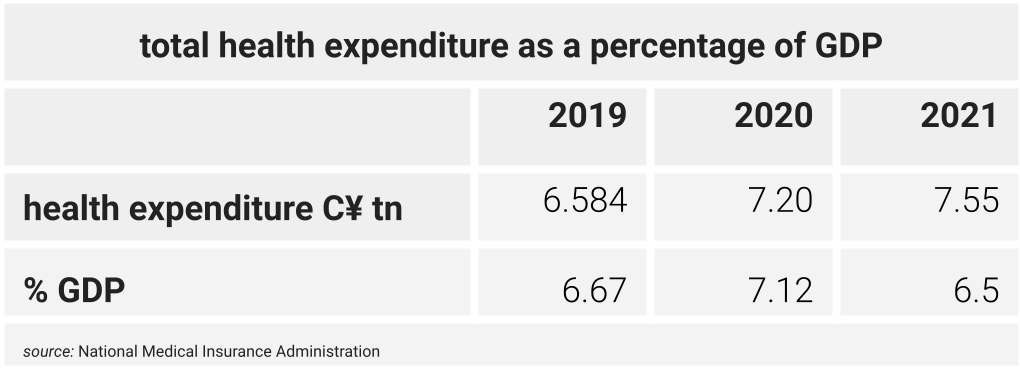
click table to expand
Gleaned from National Medical Insurance Administration data, COVID spending can be estimated as vaccines (3.2 billion) and combined vaccine and personnel costs (C¥150 billion); costs of COVID testing lack unified, authoritative data.
looking forward
Managing COVID has, spurred Benchmarking of cost-sharing between the state, social insurance including the iniversal scheme, Basic Medical Insurance (BMI), and individuals has been spurred by the epidemic, reports Health Insights, currently the breakdown is- 30 percent state funding
- but regional disparities are widening
- 40 percent social insurance (medical and commercial)
- with spending outgrowing BMI contributions of late
- 30 percent gap is left to the patient
The earliest possible date for ending zero-COVID will be 20th Party Congress (late 2022), with moderate waivers to help flows of goods and people in such places as the Greater Bay Area.
who is shifting policy
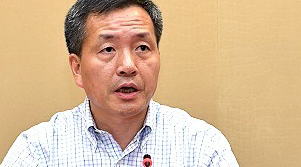
Shen Hongbin 沈洪兵 | Chinese Centre for Disease Control and Prevention (CDC) director
Replacing retiring Gao Fu 高福 as head of China’s CDC on 26 July 2022, Shen underscores the role of scientific research, standardisation and law-making in public health administration. A scholar-politician, he urges
- reforming public health management via higher pay and incentives, and clearer evaluation
- funding more health research and staff training
- bolstering legislation and enforcement
- creating a public health warning and emergency response workforce
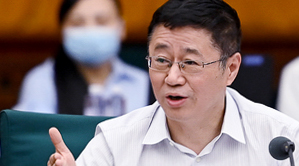
Dong Xiaoping 董小平 | Chinese CDC chief virologist
Current policies for NPIs (nonpharmaceutical interventions) affirms Dong, remain effective against new Omicron variants. Governments, he argues, should play critical roles in public health emergencies. Vaccines and other treatments are important yet remain ineffective without policy guidance. Favouring multilateral approaches against COVID-19, Dong proposes
- building joint labs and promoting sharing of research findings and scientific data
- funding research on medical practices and management
- speeding up approval for multilateral public health research
- promoting expert training