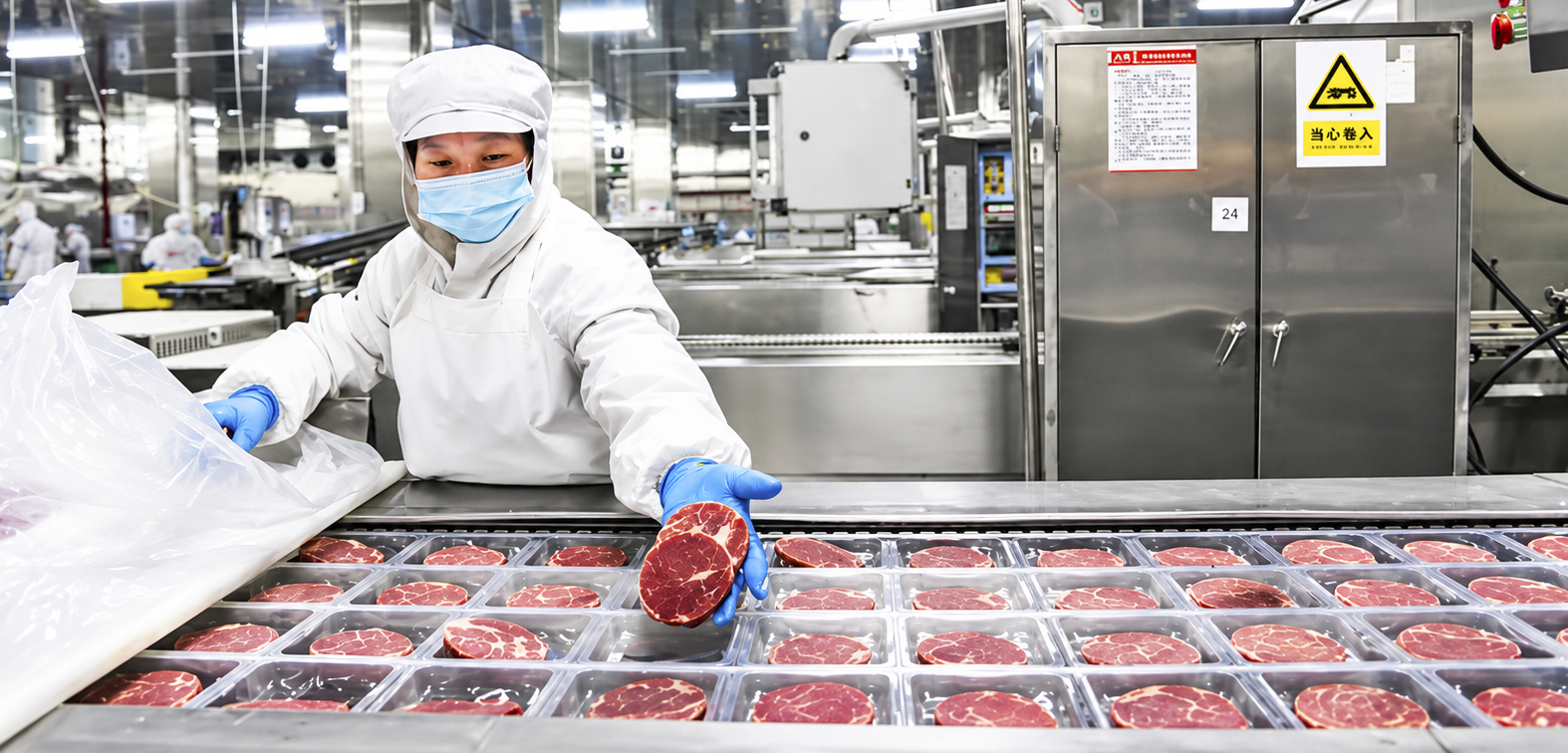
Australian beef filled its annual PRC import quota in June, triggering an extra 55 percent tariff on shipments above the limit. Brazil followed on 29 September, filling its quota of 1.106 million tonnes, with the extra tariff applying from 1 October.
food & agriculture
...
read more
27 Oct 2026
AI safety talks between Beijing and Washington have opened a channel for cooperation amid tense competition. Vice Premier He Lifeng 何立峰 and US Treasury Secretary Scott Bessent held the dialogue’s first meeting in New York in September 2026 and agreed to meet again in November. Debate in Beijing centres on what the talks can achieve and how far cooperation should extend.

geopolitics
governance
R&D
ICT
...
read more
23 Oct 2026
Encouraging births takes more than support for new parents. In 2026, policymakers and academics in the PRC are calling for children’s needs to shape how society is planned and run.
education
labour & social security
...
read more
20 Oct 2026
In a move to resolve the legal limbo surrounding autonomous vehicles, Beijing has set in motion the first sweeping revision of the Road Traffic Safety Law since it took effect in 2004. The draft requires the manufacturer or importer to answer to the authorities if a vehicle breaks traffic rules while its automated system is driving.

R&D
ICT
...
read more
16 Oct 2026
-
PRC beef quotas redraw trade
-
PRC–US AI talks: safety at speed
-
how is the PRC putting children first?
-
how far can PRC driverless cars go?
monitoring
recent commentary
-
farmlandthree ruralsag SOEsnew ag operatorsgrain reservesag price settingag subsidiesfood safety strategyfood security strategyfood productiongrain...read more07 Oct 2026
-
farm upscalingstate farms (nongken)farmlandthree ruralsag SOEsag industrialisationnew ag operatorsrural non-farm industryag machinerygreen agag insurancefood security strategyfood consumptionfood production...read more07 Oct 2026
-
growth modelinvestment fundsmoney supplycommercial bankingcorporate debtstrategic and emerging industriesSMEs...read more07 Oct 2026
-
duties and tariffsnon-tariff barriersimportsag market accessmarket accessgrain reservesag price settingfood consumptionmeat...read more06 Oct 2026
-
Guo YongtianMARA Farmland Construction Management Division director general Ministry of Agriculture and Rural Affairs (MARA)
analysis
month in focus
monthly roundup of major developments
keep in touch with current thinking
sign up for our complimentary monthly roundup