The relentless rise of the 'Belt and Road' strategy and the engagement of nations around the world in China’s new club, the Asian Infrastructure Investment Bank, betoken a new phase in China’s development. Simultaneously, a domestic hullabaloo is highlighting lingering deep troubles with the last phase.
As the National People’s Congress wound up on 15 March 2015, the detention and investigation of Qiu He 仇和 Yunnan deputy Party secretary and NPC member, was announced by the Central Discipline Inspection Commission. Taken down on the now routine charges of ‘serious discipline and law violations’, Qiu joins a long line of officials deemed corrupt.
Much about Qiu He is in fact far from routine, not least the massive barrage of commentary on his career. This is appearing in official and unofficial media of right, left and centre. Inferior in status to the similarly fallen Bo Xilai 薄熙来, a ‘Red Inheritor’ or princeling, Qiu is if anything more archetypal. As People’s Daily, Global Times and other official media wasted no time in pointing out: Qiu sums up an entire growth model (cp.leads 150323).
Indeed Qiu sums up the China model in its heyday, the fat years of the Hu-Wen administration. Cutting him down, Xi and his attack dogs seek to cut themselves loose from a series of stains on the Party’s purity that culminated in the rampant brutality of Zhou Yongkang 周永康, Bo Xilai and their ilk.
Qiu embodied a set of interlinked political and developmental models
- ‘strongman’ urban and provincial development: ‘strongman’ Party secretaries appointed to break the hold of local vested interests
- local government corporatisation: local governments became vested interests by replacing socialist with competitive market targets
- land finance: local government financed through converting rural land to urban usage
- Party/entrepreneur collusion: private interests put ahead of public interests, often through opaque preferential treatment
- mafia collusion: corporatised local governments under strongman bosses became unscrupulous in land grabs pursuing personal gain and promotions
- the project system: the Centre’s solution to allocating funding makes use of earmarked project funds for which localities compete in bidding rounds
- the tournament system
what is the tournament system?
Like the faces of a hexagon, the syndromes Qiu embodies are linked—particularly the tournament system and the project system. Finds analyst Qu Jingdong 渠敬东:
the ‘Project Guidelines’ readily provide criteria for competition. Competition among local governments for projects becomes more and more like a ‘tournament’.
A colleague of Qu’s, Zhou Feizhou 周飞舟 agrees. Overdriven inter-regional competition is endemic to the Party-state. Starting in earnest in Mao’s Great Leap Forward, the tournament system was reinvented to support Deng’s ‘reform and opening’. They can be sponsored by, but occur independently of personalities—even strong ones like Mao or Deng—or Xi Jinping today, and periodically go hyper. Explains Zhou:
such a highly centralised system will periodically engender an internal need for tournaments; ... the unique phenomenon of a ‘tournament’ comes to exist in the administrative system itself. In tournaments, the Centre, while economically devolving to local governments on a large scale, ... encourages and empowers them to expand competition over important economic indices. As the Centre completely controls the political, economic and ideological spheres, such contests are launched, with all levels of government and even ordinary citizens mobilised into similar peer contests...
tournaments today
Zhou concludes ominously that a high degree of centralised control will lead ‘both to the generation of competition, and inevitably to its failure’. The classical tournament system he analysed of the Great Leap Forward generated growth in the short term, but drifted seriously off course over time. Zhou’s 2009 analysis conveys clear warnings about the then raging stimulus package.
Allocating funds under a ‘project system’ reflected post-Deng market and taxation regimes, but reinvented tournaments in the process. In the recent decade of reform, simple production indices of steel or grain output were unsuitable, as firms responding spontaneously to market forces must set and re-set their targets constantly. Production targets gave way to GDP. Measuring and rewarding official performance based on aggregate economic activity appeared seductively simple in the short term, but toxic over the long. Construction and demolition, which featured in Qiu’s Kunming, are both counted in the aggregate.
Economists at Renmin University of China Nie Huihua 聂惠华 and Tao Ran 陶然 also deplore overdriven provincial competition. Tao directly links tournament behaviour with the career paths of regional bureaucrats. Qiu was known for setting his officials' annual C¥5 million targets are raised from business activities. Nie connects all this with the concept of ‘turbo-stability’—that China is only stable at high-rates of growth. Environmental pollution, overcapacity and debt are long-term negative side effects.
Qiu He’s Kunming
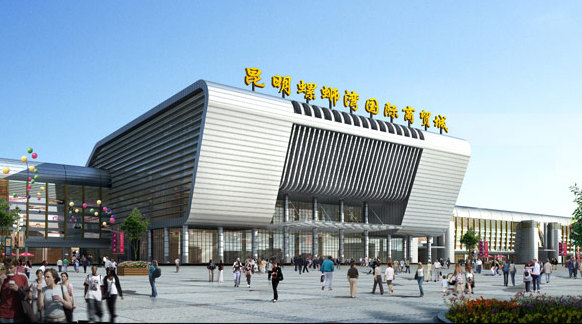
Among Qiu’s conspicuous monuments is the massive Luosiwan Shopping Mall on the east bank of Dianchi Lake. It is modelled on the famous Yiwu wholesale complex in Zhejiang founded by property developer Liu Weigao 刘卫高. Like many similar projects, the Luosiwan complex is said to be losing money. It is in part due to the rise of online shopping at the height of the shopping mall investment boom, but also because such projects owe little to market incentives. Projects are not the response to opportunity, rather they are undertaken to create opportunity, not least to drive up real estate prices. The incentive for Qiu, who, it is rumoured, received kick-backs from Liu, was to rack up GDP merit points to advance his career.
Despite the negative externalities generated by Luosiwan and other urban projects, there was buy-in from the public at first. Zhu Xiaoyang 朱晓阳, a sociologist documenting urbanisation of the Dianchi Lake region in recent decades, traces this to an ethos of going along with what the state claims to support. His documentary of resistance to Qiu He, Eastern Shore of Dianchi Lake, makes clear however, that popular unrest was an inevitable outcome.
Whether this style of development can be successfully ameliorated remains to be seen; the economic costs alone are painfully evident. Whatever the fate of regional tigers like Qiu He, the tournament system they embody is likely to survive. Current governance reforms address symptoms not causes. Until a market system is genuinely made primary, as pledged in the 3P Resolution, the internal incentive system will be an essential component of top-down economic development. Even if the GDP target is disowned, new criteria and new tournaments will emerge.
profiles
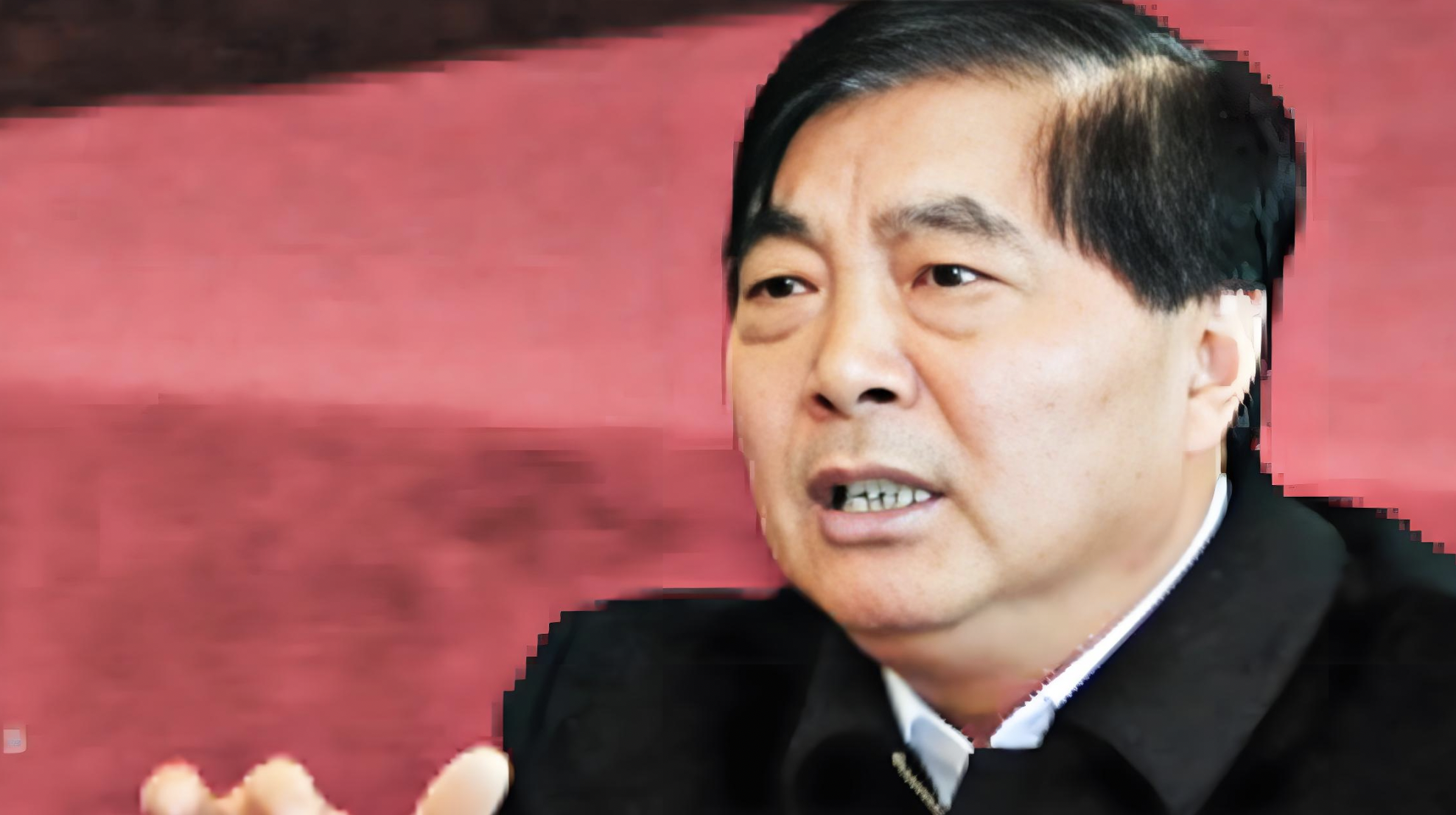
Qiu He 仇和 | Yunnan deputy Party secretary and NPC member
Investigated by the CDIC in early 2015 and convicted of bribery connected to infrastructure project contracting in Yunnan, Qiu exemplifies the 'project system' corruption dynamic: concentration of project-bidding discretion in senior officials, layered subcontracting, and conversion of public investment into private gain.
A former senior provincial official in Yunnan, Qiu built his career through regional leadership roles, culminating in his appointment as Deputy Secretary of the CPC Yunnan Provincial Committee. He was also a delegate to the 16th National Congress of the Communist Party of China and later served as an alternate member of the 18th Central Committee.
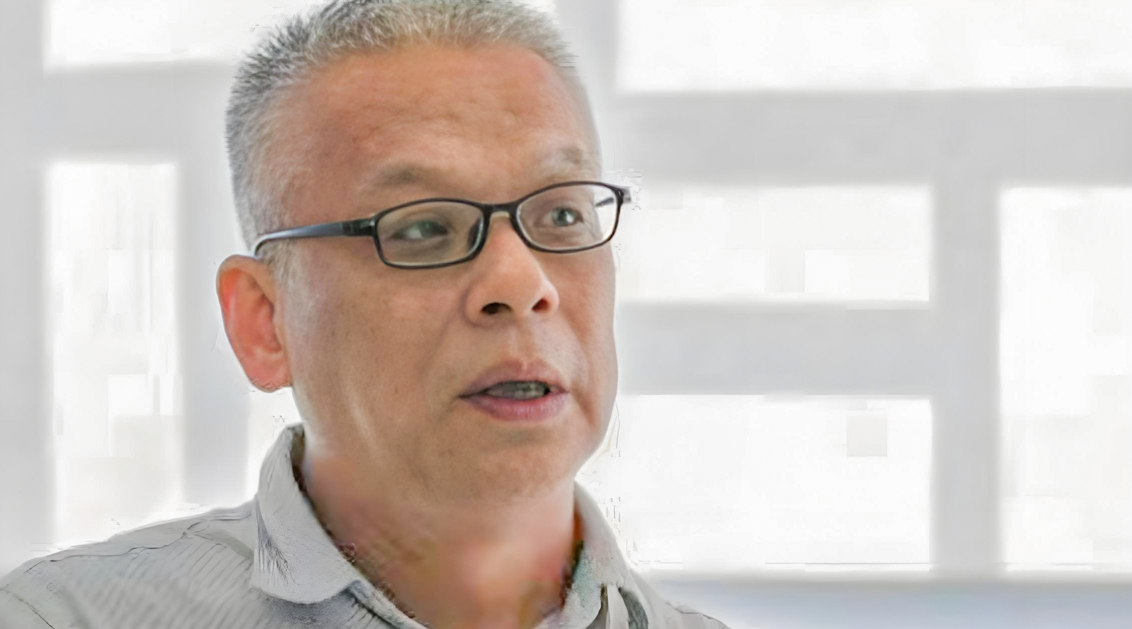
Qu Jingdong 渠敬东 | Peking University Institute of Sociology and Anthropology
Qu argues that the project system systematically reconstitutes central dominance under market-era conditions—nominally bypassing bureaucratic fragmentation, but in practice generating a new dual-track system within the state apparatus. His assessment is cautionary: unchecked, the 'project system' 'breeds every kind of leviathan.' He warns about the systemic risk—the self-amplifying cycle in which each project’s unintended consequences require further projects to address—and argues that the PS does not merely distort governance but dissolves the social bonds that sustain it.
Professor in the Department of Sociology and executive vice president (2016–23) of the Institute of Humanities and Social Sciences at Peking University, Qu holds a PhD in Sociology from CASS and an MA in Philosophy from Fudan University, and previously served as Deputy Director of the National Institute of Social Development and Institute of Sociology at CASS. He is mainly engaged in research on social theory, the history of social thought, and art history, and has published dozens of papers in core journals such as Chinese Social Sciences, Sociological Studies, and Society.
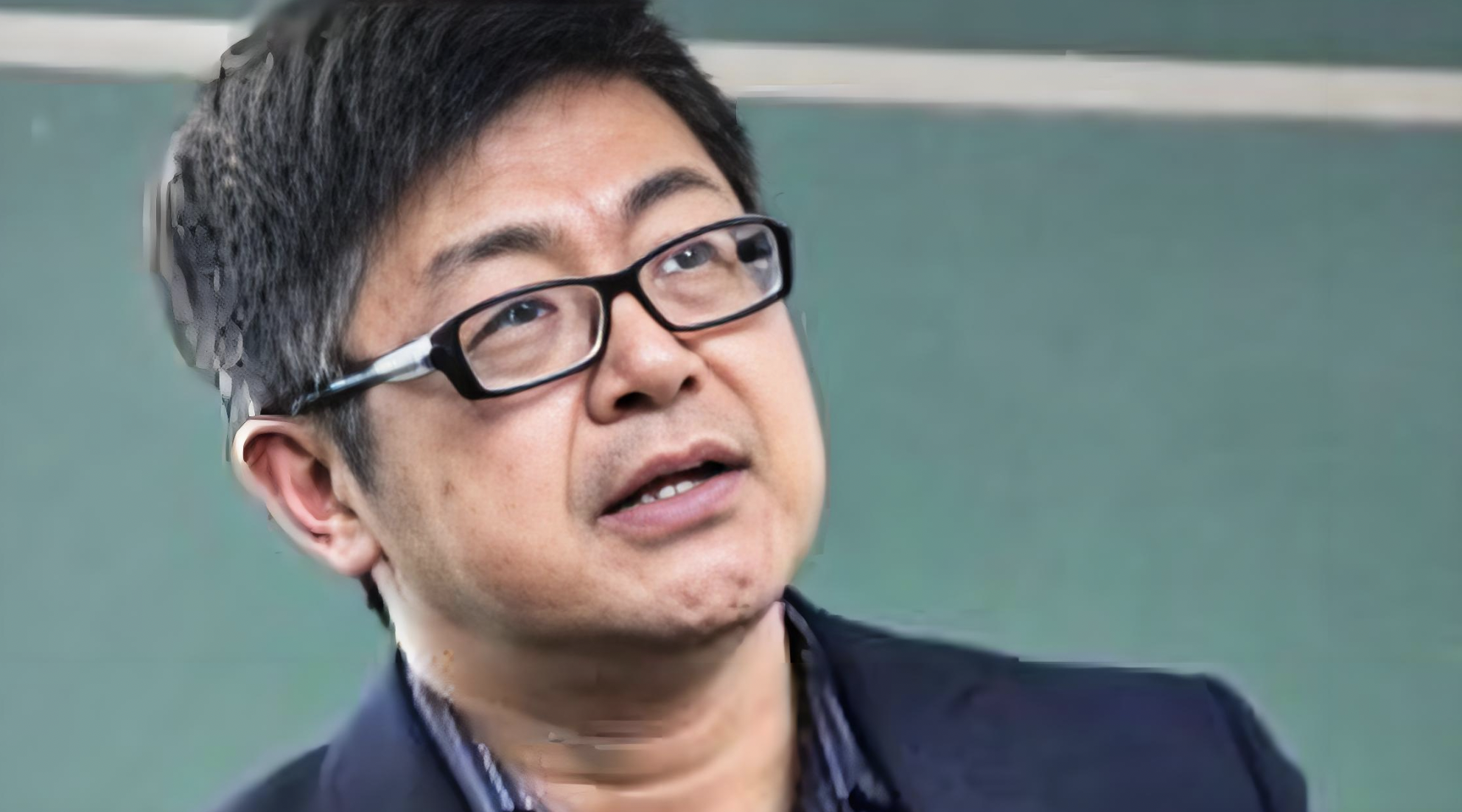
Zhou Feizhou 周飞舟 | Peking University Institute of Sociology and Anthropology
Zhou argues that fiscal decentralisation after the 1994 tax-sharing reform transformed local officials into GDP competitors, making growth-at-any-cost the dominant rationality of local governance. This structure, he says, is the root cause of overcapacity, land finance excess, local government debt and environmental degradation. His 2012 follow-up showed how 'project system' earmarked transfers reinforce rather than correct these incentives. Fei Xiaotong-inflected in his broader outlook, Zhou holds that the 'project system' replaces organic social bonds with debt networks and performance targets, and that poverty alleviation programs designed on 'project system' logic cannot take root because they treat communities as objects rather than agents.
Professor and Director of the Centre for Sociological Research of Traditional China, Zhou has served as head of the Department of Sociology at Peking University. He holds a doctorate in sociology from Hong Kong University of Science and Technology, and has worked on social surveys with the National Commission for Economic Reform, the University of Toronto and HKUST, usually focusing on rural cultivators.
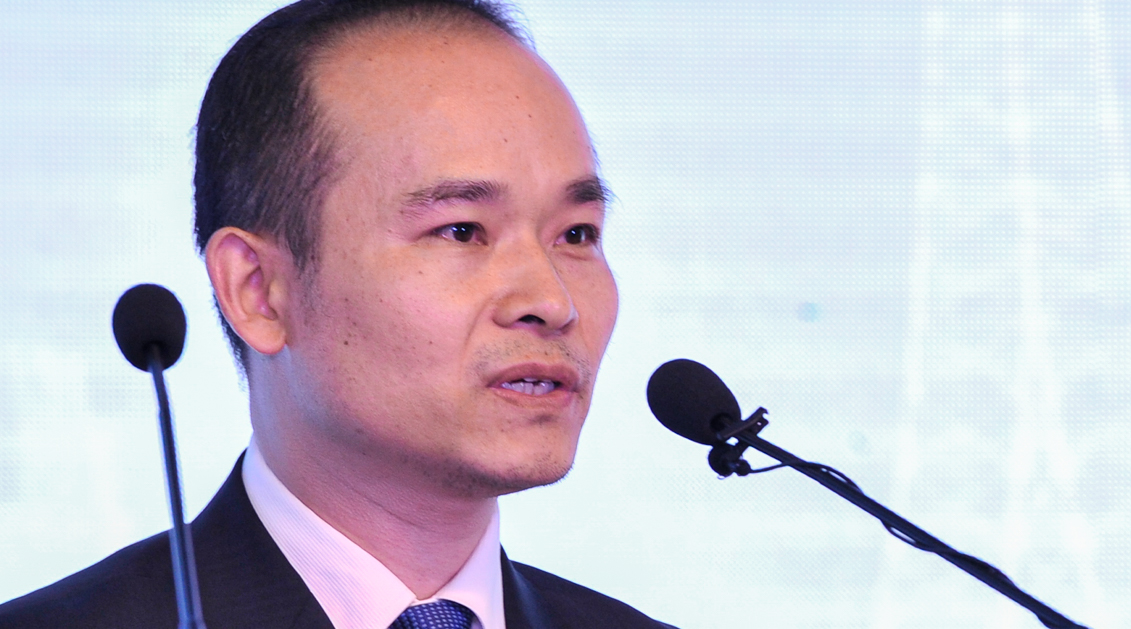
Nie Huihua 聂辉华 | Renmin University of China School of Economics
Nie argues that collusion between local governments and enterprises is not a pathology of the China model but its structural engine. According to him, safety enforcement tightens before major Party meetings and relaxes after them. His policy prescription is structural: reduce information asymmetry, harden budget constraints, and reform the decentralisation architecture that makes collusion rational.
Renmin University economics professor, Nie was a postdoc at Harvard University’s Economics Department, specialising in political-business relations, firm theory and institutional economics. His policy reports on anti-corruption, public-private partnerships, zombie enterprises and official incentives have received endorsements from national leaders and provide references for policymaking in the PRC.
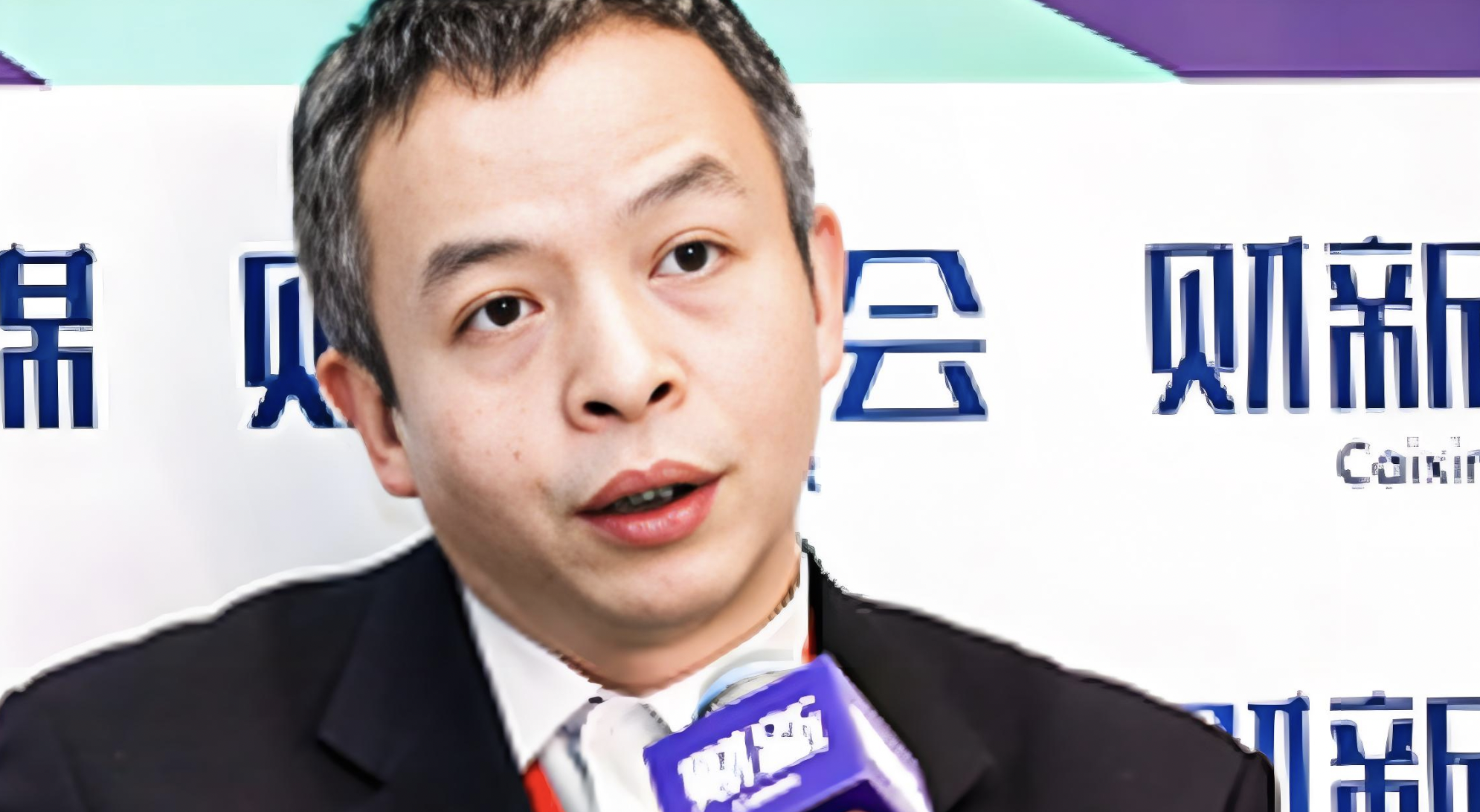
Tao Ran 陶然 | Renmin University of China School of Economics
Tao notes that local government monetisation of land expropriation to fund project system-driven investment is institutionally extractive, generating a dual urban structure that concentrates wealth among hukou holders while undercompensating dispossessed farmers and excluding migrants from urban services. His reform agenda—hukou liberalisation, marketised rural land rights, ending the local government monopoly on land conversion—he regards as preconditions for sustainable urbanisation, not optional refinements.
A prominent PRC economist specialising in political economy, land policy and urbanisation, Tao received his doctorate from the University of Chicago in 2002 and conducted postdoctoral work at Oxford’s China Centre before joining Renmin University in 2009. He has served as Director of Renmin University’s China Centre for Public Economics and Governance and as a non-resident senior fellow at the Brookings Institution. Since 2022 he has been Presidential Chair Professor and Head of the Division of Development and Governance at CUHK (Shenzhen), with over 120 published articles across economics, political science, sociology and geography journals.
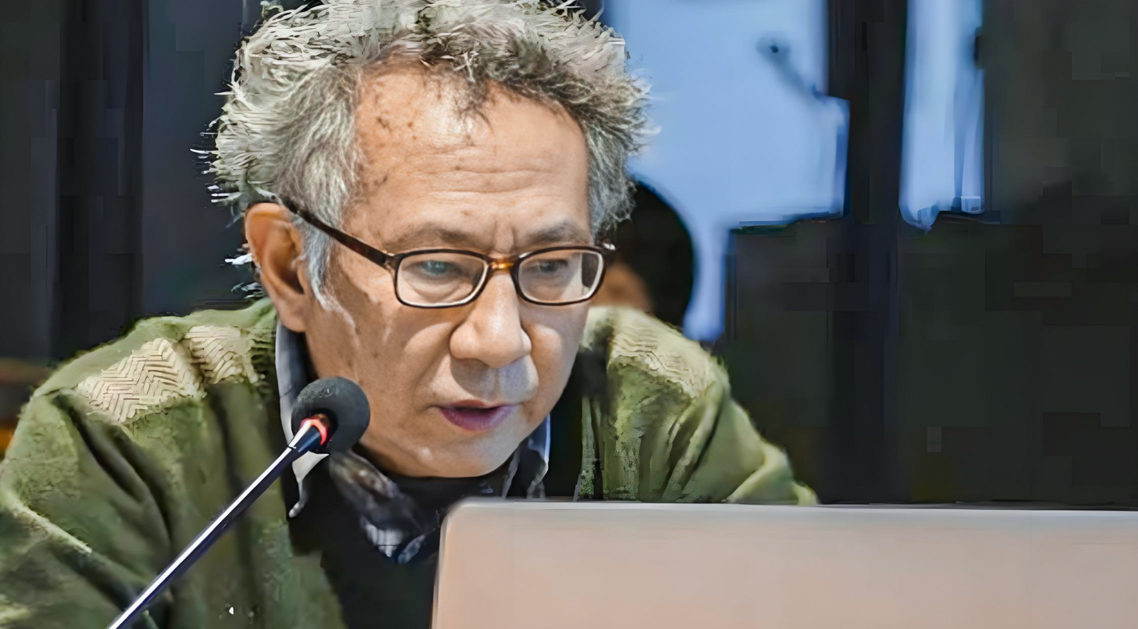
Zhu Xiaoyang 朱晓阳 | Peking University Institute of Sociology and Anthropology
Zhu argues that project system-driven development destroys what it cannot measure. His core position is that top-down project logic—standardised performance norms, political timelines—is structurally incapable of accounting for the local ecological, hydraulic and social systems on which rural communities depend. His investigations of Kunming's Dianchi Xiaocun add a theoretical edge: framing the complex villager responses to land expropriation as part of accommodation and negotiation on the ground. His policy implication is that project design must begin from local topographies rather than impose external templates.
A Chinese sociologist and anthropologist specialising in legal anthropology, rural society and grassroots governance, Zhu Xiaoyang is a professor at the Institute of Sociology and Anthropology at Peking University. He has published widely in both Chinese and international academic circles, contributing to broader debates on legal pluralism, state–society relations and the transformation of rural China. He serves as Vice Editor-in-Chief of the Peking University Series on Sociology and Anthropology (World Scientific).