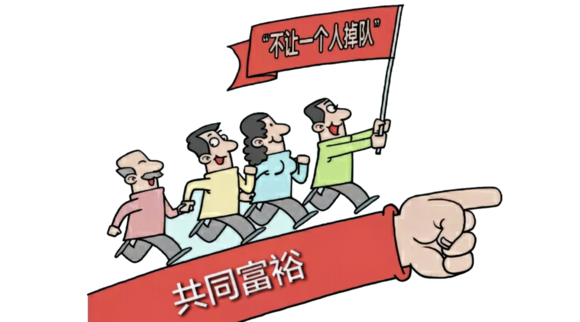
Coined in 1985 to fill a values gap in the wake of the Cultural Revolution, ‘common prosperity’ replaced ‘class struggle’, prefiguring the 'socialist core values' decreed two decades later (one of which is fùqiáng 富强, ‘wealth and power’). Quietly burying Mao’s dislike of the profit motive, market forces and the private sector, some were ‘allowed to get rich first’, then help those left behind. As in Western societies, equality of opportunity took over from equality of income. GDP growth became the tacit policy priority.
For thirty years the term remained largely symbolic as wealth gaps kept widening. It made a comeback 10 June 2021 when a demo zone of ‘common prosperity’ was announced, to be sited in Zhejiang, renowned as an entrepreneurial and wealthy coastal province. Prominent in recent high-level texts, not least the 14th 5-year plan and ‘rural revitalisation’ strategy, the term is now moving from a rhetorical expression of a core value to a policy label, hence will inevitably also become a bone of contention among powerful interests. More is on the cards in addressing the centre/local, public/private and urban/rural disconnects, fiscal redistribution and protection of the vulnerable.