PRC emissions reduction comes together in the much-hyped ‘1+N' framework, in development since 2021.
- ‘1’ denotes the PRC’s top-level guides to decarbonisation both issued in October 2021, days before COP26 in Glasgow
- ‘+N’ denotes finer-scale guidance and clarifies the division of labour to reach carbon peaking and neutrality via
- sector-, industry- and region-specific plans, guiding opinions and standards from state agencies
- supporting policy texts from central and provincial authorities
This all-out campaign is meant to achieve carbon peaking by 2030 and neutrality by 2060, resolving fragmented governance that blocked the way previously. As Xi himself underscored in March 2021, carbon neutrality entails ‘broad and deep socioeconomic transformation’.
The 1+N approach is applied elsewhere, above all in SOE (state-owned enterprise) reform and regional development. Overseeing its application to emissions is a Leading Group, hosted by NDRC, its realisation checked by Central Inspections on Environmental Protection under the Ministry of Ecology and Environment. Oversight is by outgoing Politburo Standing Committee member, vice-premier Han Zheng 韩正 (see below).
aligning China's climate policy wheels
The framework was declared in place in July 2022. More texts have followed, but the focus is now largely on enactment and fine-tuning, with reporting and benchmarking set to tighten. Central SOEs, deemed key to the enactment phase, are now issuing their own plans, per SASAC instructions.
The 1+N approach does not raise the ambition of the PRC’s carbon neutrality targets per se, nor is it meant to. Rather than proposing a new agenda, it lays out interim measures, targets and mechanisms for getting to neutral. The Leading Group, and its headquarters at NDRC, coordinate measures taken by provinces and ministries: climate policy wheels are realigned, not reinvented. 1+N will, hopes Beijing, make the journey as smooth and efficient as possible. Preceded by the ‘1’, the approach divides into 10 action agendas, in addition to supporting policies.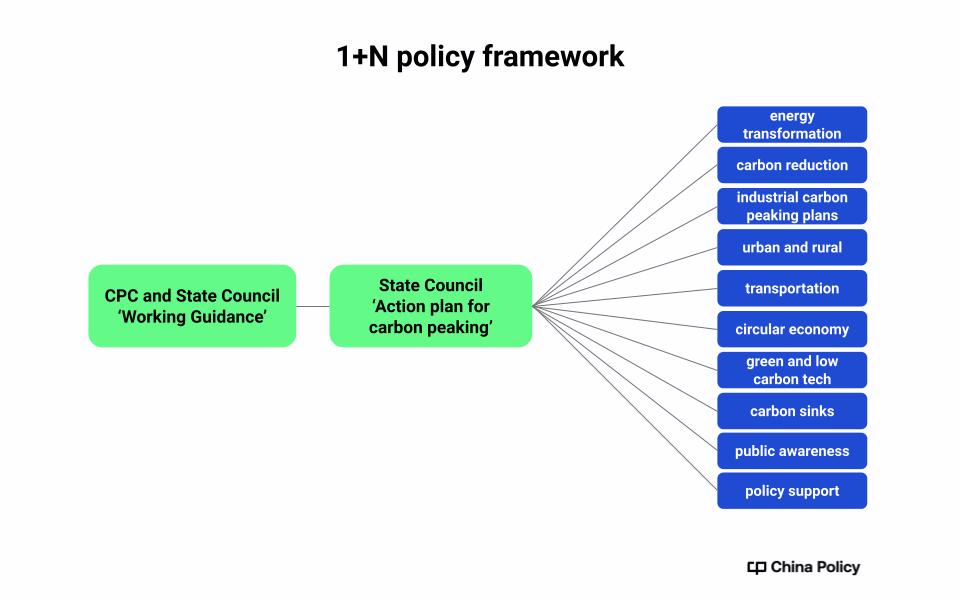
As of February 2023, the following texts can be deemed components of the ‘1+N policy system’.
green and low-carbon energy transformation
- action plan for enhancing standardisation of carbon peaking and carbon neutrality in the energy sector
- 14th 5-year plan for renewable energy development
- benchmarks for clean coal (2022 version)
- benchmark and basic levels of energy efficiency in key energy-intensive industries (2021 version)
- hydrogen medium and long-term development plan (2021-2035)
- 14th 5-year plan for modern energy system development
- opinions on improving systems, mechanism and policy measures for the green and low carbon energy transformation
energy efficiency and carbon reduction
- benchmarks for key energy-using products and equipment (2022 version)
- implementation plan for synergistically reducing carbon and pollution
- energy conservation for key areas of energy-intensive industries (2022 version)
- opinions on strict energy efficiency constraints to promote energy conservation in key areas
- 14th 5-year plan on energy conservation and emissions reduction
industrial carbon peaking
- non-ferrous metals
- information and communications green and low carbon development
- implementation plan for carbon peaking in the industrial sector
- industrial energy efficiency
- light industry
- iron and steel
- chemical fibre
- industrial textiles
- industrial water efficiency
- 14th 5-year plan for the development of petrochemicals and chemicals
- 14th 5-year plan for green industrial development
- 14th 5-year plan for pharmaceutical industry development
urban and rural development
- construction materials
- urban and rural construction
- opinions on promoting green development of urban and rural construction
- agricultural and rural emissions reduction and carbon sequestration
- heavily polluted weather, ozone and diesel truck pollution control
- 14th 5-year plan for building energy conservation and green building development
- 14th 5-year plan for housing and urban-rural construction scitech development
- 14th 5-year plan for promoting the modernisation of agriculture and rural areas
- 14th 5-year plan for construction industry development
transport
- opinions on comprehensively grasping new development concepts to improve carbon peaking and neutrality
- 14th 5-year plan for green transport development
- 14th 5-year plan for development of modern comprehensive transportation system
circular economy
- accelerating comprehensive utilisation of industrial resources
- 14th 5-year plan for circular economy development
green and low-carbon tech
- scitech support for carbon peaking and carbon neutrality plan 2022-2030
- 14th 5-year plan for scitech innovation in the energy sector
carbon sinks
- marine carbon sink economic value accounting methods
- guidelines for verification and validation of forestry carbon sequestration projects (in Chinese)
public awareness
regional carbon peaking and neutrality implementation plans (in Chinese)
- Guizhou (opinions) (plan)
- Inner Mongolia (opinions) (plan)
- Jiangsu (plan)
- Beijing (plan)
- Tianjin (plan)
- Hainan (plan)
- Jilin (opinions) (plan)
- Jiangxi (opinions) (plan)
- Chengdu-Chonqing circle (plan)
- Fujian (opinions)
- Chongqing (opinions)
- Shanghai (plan)
- Guangdong (opinions)
- Guangxi (opinions) (plan)
- Sichuan (opinions) (plan)
- Hunan (plan)
- Henan (plan)
- Zhejiang (opinions) (plan)
- Hebei (plan)
- Shandong (opinions) (plan)
- Shanxi (opinions) (plan)
- Yunnan (plan)
- Qinghai (plan)
- Shaanxi (opinions)
- Anhui (plan)
- Liaoning (plan)
- Heilongjiang (plan)
- Ningxia (opinions) (plan)
policy support
- Opinions on central SOE development and carbon peaking/neutrality work
- MOF opinions on fiscal support for carbon peaking and neutrality
- MEE managing firms’ greenhouse gas reporting in 2022
- SAMR and nine other departments ‘improving standard measurement system for carbon peaking and neutrality’
- All-China Federation of Industry and Commerce guidance to private enterprises (in Chinese)
- Shanghai Stock Exchange carbon peaking and neutrality implementation plan (in Chinese)
- State Taxation Administration ‘Guidelines for preferential tax and fee policies supporting green development’ (in Chinese)
- Banking and Insurance Regulatory Commission ‘Green finance guidelines for the banking and insurance industry’ (in Chinese)
profiles
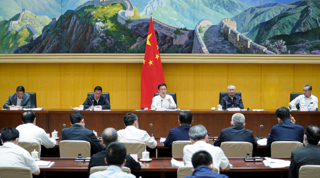
carbon peak and neutrality work leading group | 碳达峰碳中和工作领导小组
Set to coordinate state agencies on the path to peak carbon emissions by 2030 and neutrality by 2060, the group is led by former Politburo Standing Committee member (prior to the October 2022 Party Congress) and first-ranked vice-premier Han Zheng 韩正, with vice-premier Liu He 刘鹤, State Councillors Wang Yong 王勇 and Wang Yi 王毅 and NDRC director He Lifeng 何立峰 as deputies.
Two meetings (26 May 2021 and 2 March 2022) have so far been held. A planned transition away from coal, promotion of renewable energy and a new energy framework were called for, along with greater transparency and market mechanisms, while building capacity and better coordination. A need was sounded for closer international cooperation. New leaders will be named at the upcoming Two Meetings.
Group members include major state agencies, with relevant leading groups at national and regional levels, including SOEs. Day-to-day work is performed by a leading group HQ located inside the NDRC. Liu Dechun 刘德春 NDRC led the last liaison meeting with key agencies on 14 July 2022.
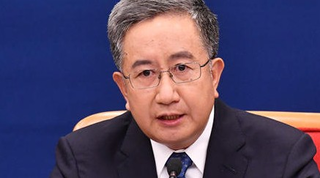
Liu Dechun 刘德春 | NDRC Resource Conservation and Environmental Protection Department director
Low-carbon transformation is no walk in the park, warns Liu, given COVID setbacks. Yet the 2030 and 2060 carbon targets are within reach. During the summer 2021 power shortages, Liu urged struggling provinces to stick to energy intensity and consumption objectives, a policy later eased. Energy makeover entails managing coal’s near- and long-term roles while stepping up building renewable bases. Industrial upgrading, new tech and market development must proceed as well. PRC electric vehicles now dominate global production; Liu will likely appear on the global stage in emissions reduction, energy efficiency and climate change fora.
Versed in merging carbon goals into economic and social planning, Liu previously directed industry development for the NDRC, taking kudos for developing the Yangtze River Delta following ecological criteria. Heading resource conservation and environmental protection from early 2020, he now runs the Leading Group office for day-to-day carbon peak and neutrality work.