CPTPP and ‘institutional opening’
Beijing put in its papers to join CPTPP (the Comprehensive and Progressive Agreement for Trans-Pacific Partnership) on 17 June. Before the month was out, it moved to align better with global standards; and set key work priorities for pilot FTZs. These proactive measures aim to align with CPTPP rules, proclaimed Chen Chunjiang 陈春江 MofCOM deputy minister.
Part of a broader strategy of ‘institutional opening’ outlined by General Secretary Xi in 2017 and supported by local commentators, the move goes beyond the run of policy slogans to respond to post-COVID challenges and changing paradigms.
‘Institutional opening’, deemed a solution to dwindling global demand, unilateralism, and increasing trade protectionism, invites international players to take a greater stake in the PRC economy. Above all, it promises to unblock services trade. If Beijing is to be believed, this could bring more of the opening, promised but never delivered, at WTO accession. The PRC’s massive market is (not for the first time) dangled to lure foreign investment, bringing in expertise and providing more choice to local shoppers. A more supportive regulatory framework will, in theory, spur competition, innovation and collaboration, enabling a flow of ideas, knowledge and technology, supporting tech development.
pilot FTZs to lead opening
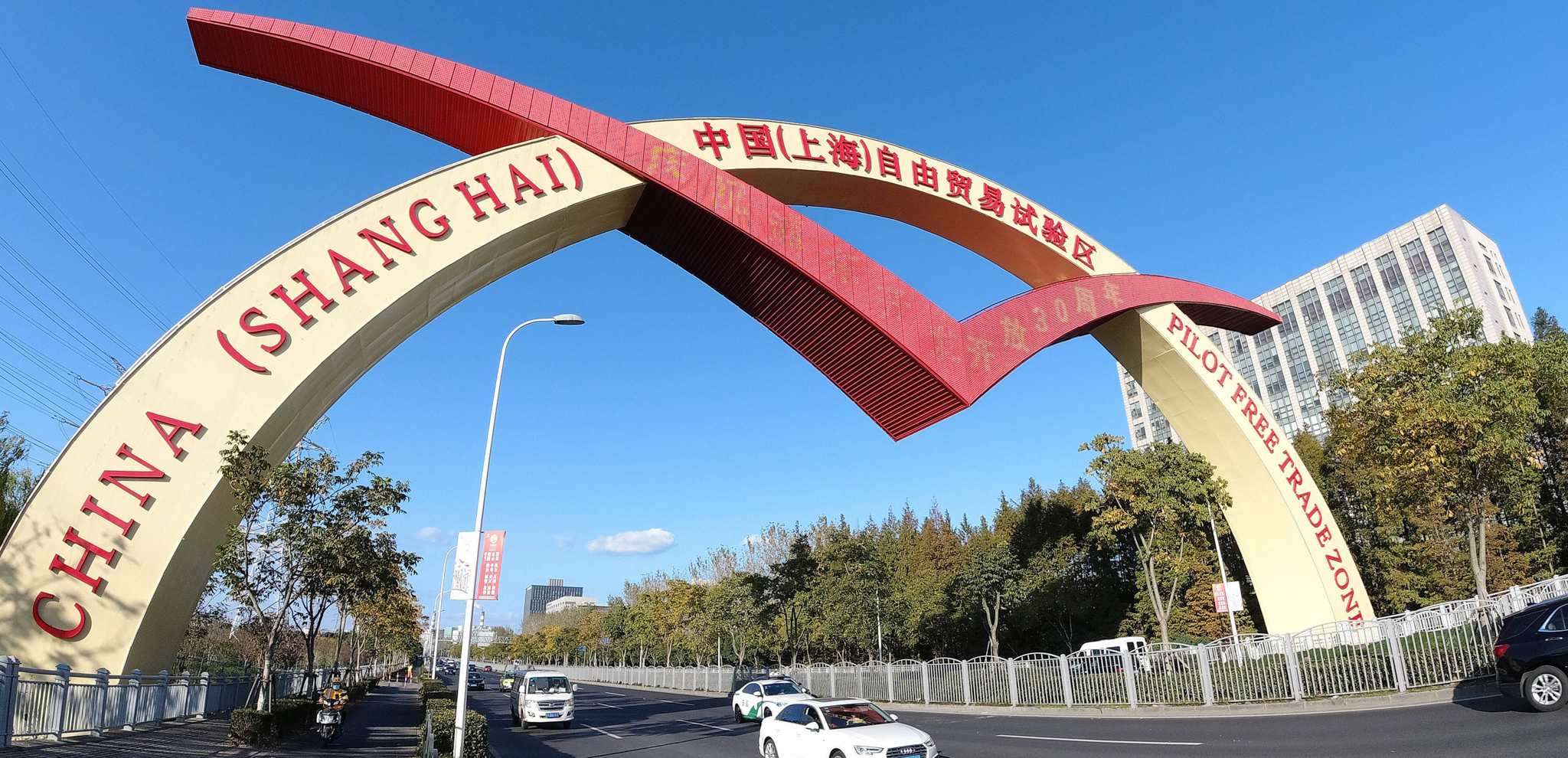
Pilot FTZs are to be lead players, exemplifying ‘institutional opening’. Occupying less than 0.4 percent of China‘s land, the 21 pilots contributed some 18 percent of total trade and 17 percent of foreign investment in Q1 2023. While the current global situation is complex, the development of pilot FTZs may help the PRC adapt, suggests Bai Ming 白明 MofCOM Research Institute.
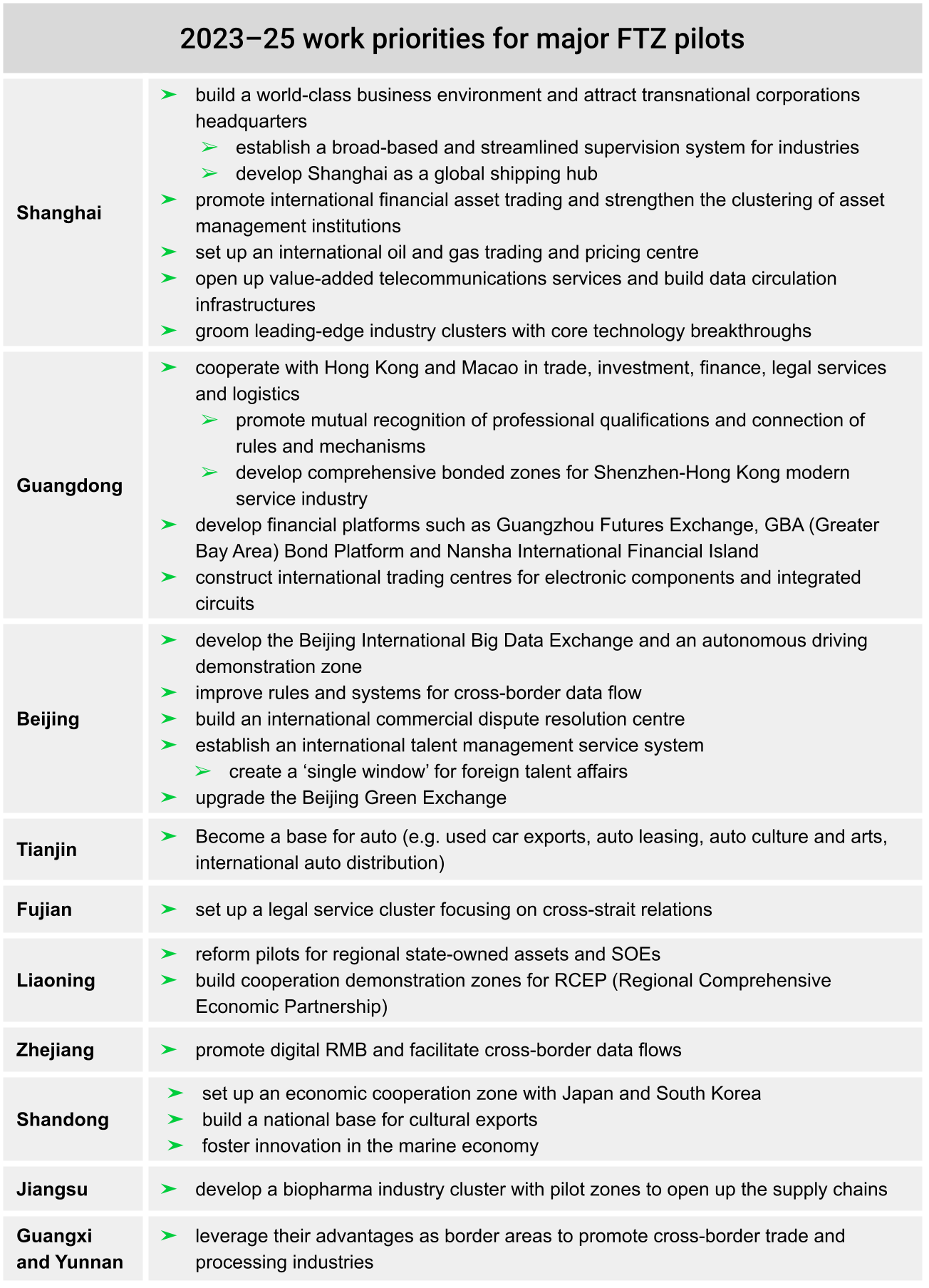
MofCOM laid out key work priorities for 2023–25 for each of the 21 FTZs: a total of 164 items, each zone allocated 7-10 (see table below). The aim is to promote the PRC’s ’diversified development’, with zones given discrete positions and missions based on their profiles, says Xiao Benhua 肖本华 Shanghai Lixin University of Accounting and Finance.
buckling up for CPTPP
Under ‘diversified development’, the centre is pushing for major reforms in the Shanghai, Guangdong, Fujian, Tianjin and Beijing FTZs. Given their outward economies and stronger governance, MofCOM deems these five most ready for action. Six sectors are of interest: goods trade, services trade, temporary entry of business personnel, digital trade, the business environment and risk control.
Services liberalisation is a main plank of CPTPP. Reforming this sector will be a litmus test for CPTPP compliance. Measures include
- overseas financial institutions to provide services equivalent to domestic counterparts
- vetting periods for local and international financial services applications to become the same (120 days)
- firms and individuals in pilot zones to legally buy given types of overseas financial services
- expatriates to provide professional services in the pilot areas
- legal transfers related to foreign investors to be freely remitted in or out without delay
Some of the reforms are unprecedented, says Nie Pingxiang 聂平香 MofCOM Research Institute considers, including the first measure to open new financial services and, again, for the first time, allowing overseas financial services to operate without a local partner.
But how these concessions are to materialise is awaited. The measures only set out basic policy principles. Details and rollout are still up to the financial authorities concerned. For instance, PBoC (People’s Bank of China) will issue more concrete measures following the State Council’s text.
For goods trade, the measures waive certain import restrictions on remanufactured items. Import duties on temporarily exported aircraft, ships, and their parts that have been refurbished and returned to Hainan will be waived. This provision aims to recoup costs for aviation and shipping firms while bringing business to the Hainan Free Trade Port.
The measures also address trade facilitation, including improving the transparency of customs clearance times, reducing clearance costs and improving goods labelling rules.
Citing the CPTPP agreement verbatim, the measures prohibit forced disclosure of source code as a precondition for market access, an essential requirement in both CPTPP and DEPA (Digital Economy Partnership Agreement).
A year after the pilots come into force, MofCOM will review outcomes and undertake further stress testing at scale.
Yet to comply with CPTPP entails much more on the PRC side: reforms to SOEs, cross-border data flows, labour standards, and more.
to be or not to be free
Doubling down on exports was, and is, inescapable as a solution. Yet ‘institutional opening’—which paves the way for it—has to run the gauntlet of a mounting security agenda. Xi’s demand for ‘limit thinking’ in mid-2023 marked a step up from his earlier security mantra of ‘baseline thinking’. Yet opening requires Beijing to attract wary partners by demonstrating its grasp of global norms. In the early pandemic, Professor Zha Daojiong 查道炯 took aim at the Party's own zero-sum tendency. Since then, calling on the state to put policy on opening into action is becoming ever louder among veteran policy advisors.
Long Guoqiang 隆国强 State Council Development Research Centre emphasises that localities should be given policy space to experiment and make mistakes, which would enable them to test out different reforms actively and confidently. Commenting on future directions for risk prevention, Zhao Ping 赵萍 CCPIT (China Council for the Promotion of International Trade) Academy points to improving antitrust reviews and unreliable entity lists.
FTZ experts
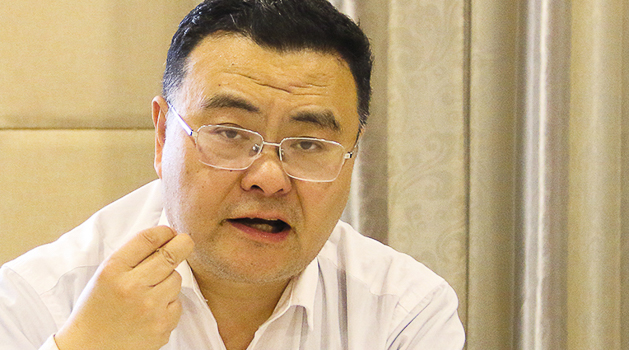
Bai Ming 白明 | MofCOM (Ministry of Commerce) Research Institute Degree Committee member
Bai argues that the design of key work priorities for pilot FTZs has provided guidance for the future diversified development of the PRC. While the number and coverage of FTZs have been growing rapidly, their development should also focus on ‘quality’ to deepen the level of opening up in rules and market access.
Every coastal region in the PRC now has an FTZ presence, says Bai. An FTZ network is beginning to take shape where the FTZ dividends will be projected from the coast to in-land to magnify impact and synergy. Apart from generating experiences for the country and attracting foreign investment, FTZs also bring benefits to the PRC population. For instance, as some business areas are opened up, purchasing bonded goods and some imported items like cars becomes cheaper and more convenient, he adds.
An expert on PRC trade relations, Bai serves on MofCOM’s committee of experts. Bai comments almost daily on state media on current international trade issues. His agency, CAITEC, is the leading trade thinktank. Contrary views from its staff often circulate in the media. Bai’s department conducts research on commodity markets and international investment flows.
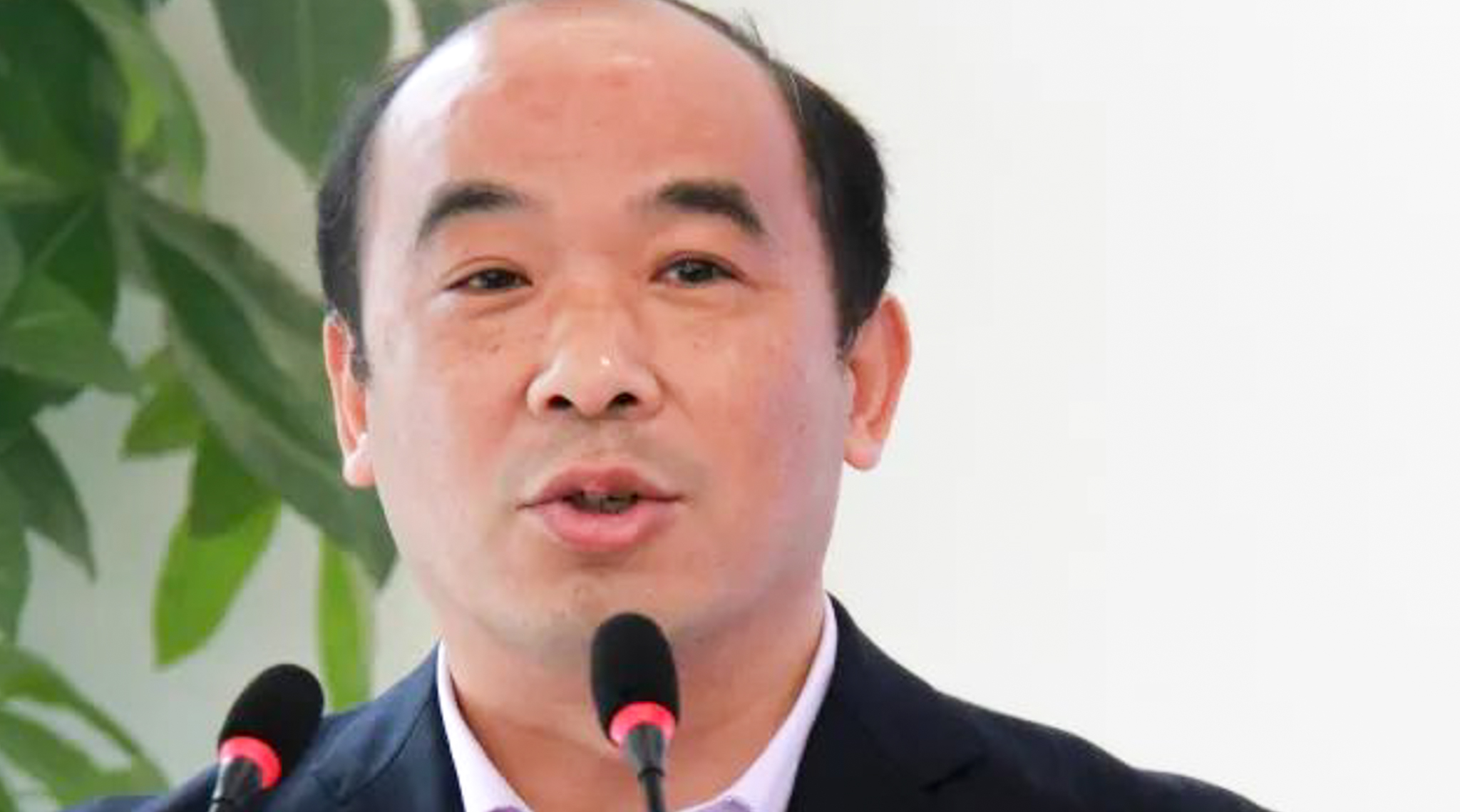
Xiao Benhua 肖本华 | Shanghai Lixin University of Accounting and Finance Free Trade Zone Research Institute vice dean
Lauding ‘breakthroughs’ made in the State Council measures, Xiao finds that many of its clauses match CPTPP criteria. It would be helpful to industry development, he adds, above all for regional industry transformation and growth. Further ‘institutional opening’ in intellectual property protection and financial services would foster a transparent, predictable business environment, boosting innovation-driven development, he argues.
Holding an economics PhD from Xiamen University, Xiao won a postdoc in theoretical economics at Fudan University, leading to associate professor appointment at the Shanghai Institute of Finance and Economics.
Working on financial theory and macroeconomic regulation, he has taken part national level research projects. Over 40 research papers and two books appear under his name. His research has been commended by the Politburo and the Shanghai Party Committee’s Standing Committee.

Nie Pingxiang 聂平香 | MofCOM Research Institute researcher
A major aspect of attracting foreign investment is, insists Nie, to attract high-quality candidates, e.g. mid-to-end manufacturing and modern services. These are capable, she adds, of creating technology spillover effects that can support more innovative capability.
Certain local authorities—Shanghai, Guangdong, Zhejiang et al.—are working towards this goal, reveals Nie; Beijing’s upcoming focus should be to remove barriers to market access in the modern services sector.
Holding an M. Econ. from the MofCOM Research Institute, Nie works on utilising foreign investment, opening the services sector and digital services. Her 2018 paper on factors that deter foreign investment won approval from the CPC General Office.
context
29 Jun 2023: State Council issues 'Notice on aligning pilot free trade zones and ports with international standards to promote opening up'
20 Jun 2023: MofCOM issues 'Notice on key work priorities for pilot free trade zones (2023-25)'
17 Jun 2023: PRC submits official documents to join CTPP
16 Sep 2021: PRC announces its application to CPTPP
8 Mar 2018: CPTPP signed by 11 member countries
23 Jan 2017: President Donald Trump signs an executive order to withdraw the US from the original TPP
4 Feb 2016: The original TPP (Trans-Pacific Partnership) signed by 12 countries