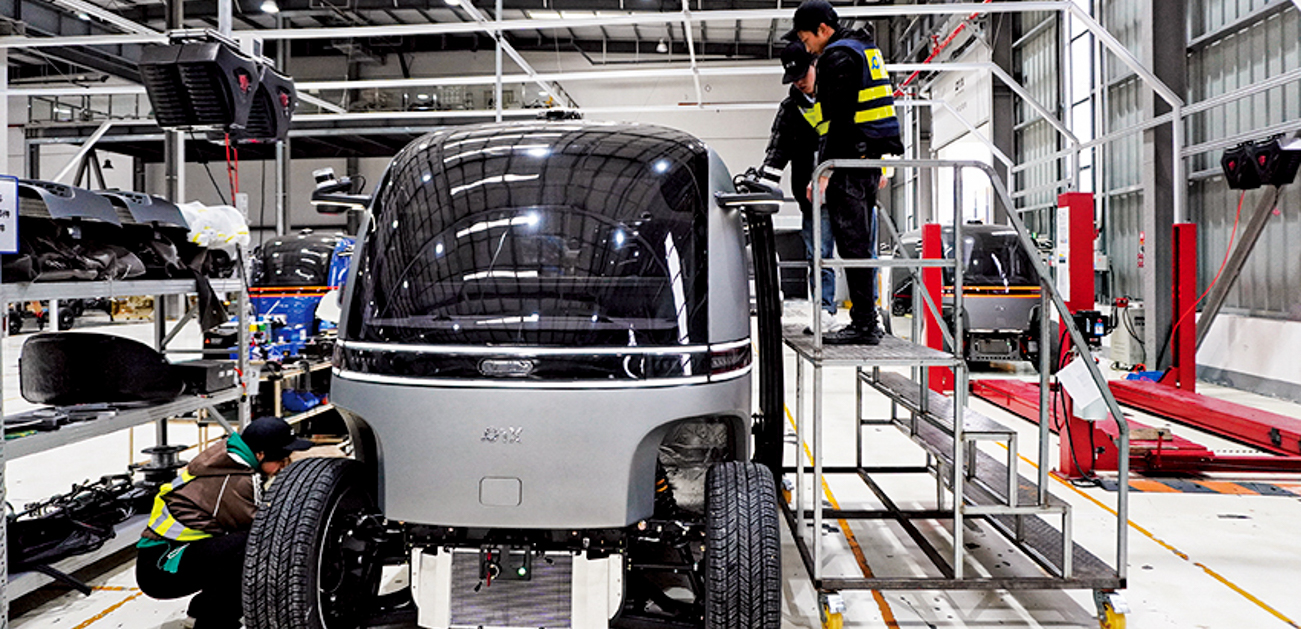
Boosting domestic consumption shot from third place in 2024 to first in Premier Li Qiang's 李强 2025 Government Work Report. A ‘Special action plan on consumption’, issued 17 March, detailed the plan. With more incentives than ever for income growth (paid leave, domestic and overseas travel, childcare subsidies and coupons for big-ticket items), this is the biggest boost so far.
However, rollout is primarily devolved to localities, many of which are already strapped for cash. Real fiscal outlays from the centre to fuel consumption are typically absent. Can the boost generate economic results?
commentariat rumblings
Since the post-pandemic recovery turned sluggish, experts have quietly urged positive demand-side measures, such as cash stimuli, to boost consumption.
Debt management schemes and expansionary monetary policy launched in Q3 2024 spurred market confidence. Yet, follow-ups failed to steady nerves in finance or, above all, real estate sectors, which still await rescue.
For the first time, the December 2024 CEWC (Central Economic Work Conference) prioritised consumption boosts for economic recovery.
Say's Law told us so
Blending demand expansion and supply-side structural reform creates a high-level dynamic balance: demand leads supply, and supply creates demand, said Xi Jinping 习近平 in 2020. Spending earmarked for merely boosting consumption is thus placed in question.
The buzzphrase ‘supply creating demand’ (gòngjǐ chuàngzào xūqíu 供给创造需求) that now peppers Party discourse evidences a rethink of supply/demand relations as rhetoric switches from ‘high-speed’ to ‘high-quality’ growth.
Has the Party been looking up Say’s Law? This classical doctrine states that ‘production creates its own demand’. Yet Western thought, from Say to Keynes, sought only aggregate balance. The PRC ideal, enunciated by Xi at the 2016 Fifth Plenum, shifts this idea to a structural equilibrium between all productive sectors.
As Xi later told the 2023 CEWC (Central Economic Work Conference), the rise of NEVs, lithium batteries, and solar panels provides cases of demand leading to supply and supply creating demand. High-quality growth entails high-quality supply meeting current demand, generating and channelling new demand. Given these rising new industries, more new tech and services applied to meet and create demand are at hand, explained Premier Li Qiang 李强, on tour in Anhui in May 2024.
The rationale comes into view: supply and demand are linked ‘dialectically’. Demand is to lead supply, framed by CEWC 2023 as investment led by consumption. Supply would then inevitably create more demand by triggering new consumption visions.
‘supply-first’ assumptions
Why is so much focus on the supply side? Revamped supply should eventually be more adaptable and flexible, enabling it to meet current demand. This, argues Shi Dan 史丹, former CASS Institute of Industrial Economics, would activate new potential demand.
The CPC hence hopes to build up ‘high quality’ supply, from aged-care services to new consumption targets, from AI to EVs. In the ideal silver economy, seniors are lured by new products and services. This, explains Mu Guangzong 穆光宗 Peking University Institute of Population Studies takes two major steps
- develop products with inelastic demand in niche markets for medium- to high-income seniors
- leverage the supply effect and population multiplier to turn niche markets into mass markets
Shoring up the supply side is meant to drive mass consumption, a real, structural expansion of demand. This manoeuvre, which chimes with Say’s Law, takes a twist: rather than recycling funds from producing a commodity that creates its own demand, a well-developed supply side is built as a prerequisite to creating market demand.
This paradigm is deployed in new sectors, from the low-altitude economy to ice and snow holidays. Beijing looks to these to leverage new tech and state-directed funds into novel supply scenarios. The ice and snow economy, for instance, has seen strong growth, raking in C¥525bn over 2023–24. Behind this is a state-led effort to drive new demand by leveraging the northern regions’ natural conditions and PRC infrastructure initiatives.
a new horizon
Beijing is building a consumption-driven economy, says Zhang Ming 张明 Chinese Academy of Social Sciences Institute of Finance. Raising income via tax reform while improving social services is critical as effective demand is a function of the ability to pay, he notes. Simply focusing on developing supply is inadequate.
Yet, contrary to common belief, the PRC is not trapped in a demand transition crisis. Instead, argues Liu Yuanchun 刘元春 Shanghai University of Finance and Economics president, it is entering a phase of constant innovation and rapid supply-side expansion.
Beijing looks to the long term. It still argues that sustainable growth comes not from consumption but from supply, driven by industry upgrading. Hence, Xi highlighted the role of new productive forces in boosting medium—to long-term domestic demand—a task, Liu says, rooted in structural reform.
Room for scepticism is large, reflected by the commentariat in ironic undertones. CPC political reality renders investment-led growth an increasingly convenient option. Doubt no longer centres on the PRC's capabilities to innovate and produce efficiently; it now flows from questions over Beijing's ability to spur household consumption directly.
supply-siders
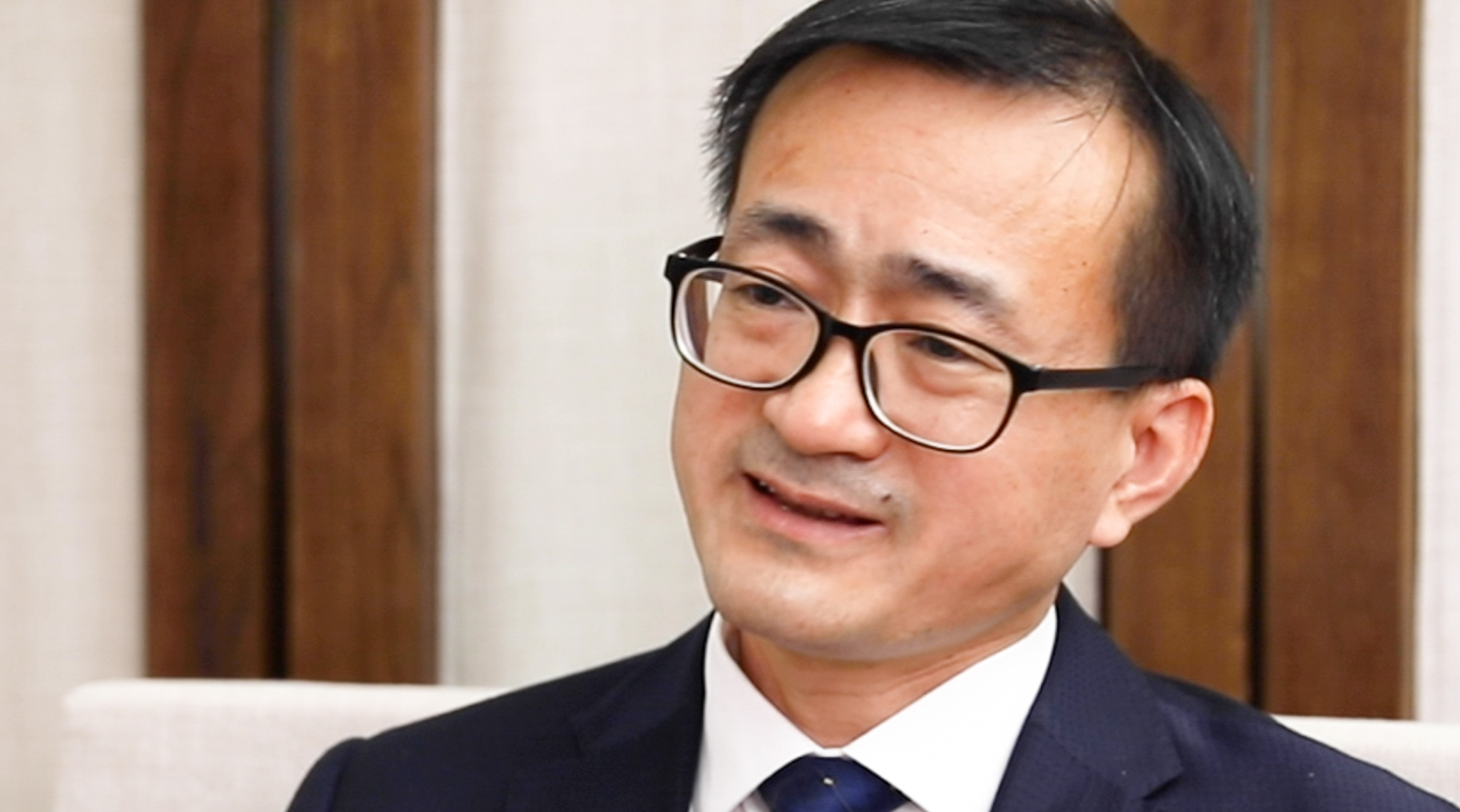
Liu Yuanchun 刘元春 | Shanghai University of Finance and Economics president
Falling consumption is just a surface-level symptom, not a fundamental problem, Liu argues, and expanding domestic demand is a short-term strategy. Investment supply-demand fluctuates more sharply than consumer goods. Real estate is the core challenge in the PRC macroeconomy. After the sector stabilises, Liu believes the next step should be issuing stronger real estate policies.
The PRC is not experiencing a difficult demand-side transition but is instead on the path of continual improvement and innovation. It may be entering a stage of overseas growth. Innovation, industrial upgrading and modern finance are the three new drivers of medium to long-term economic growth. The key to economic development is new growth drivers and new demand.
Holding a PhD from Renmin University (1999), Liu followed the common practice of staying on to teach there. His project work for state agencies, not least under the Ministries of Education and Information and Technology, culminating in an invitation to address the Politburo in 2023, indicates Liu's 'rising star' status.
Mu Guangzong 穆光宗 | Peking University Institute of Population Studies professor
The relatively unsegmented PRC aged care market fails to meet demand, and services are especially undersupplied. Mu argues that the PRC should focus on activating effective demand to drive the silver economy.
Low incomes in the silver population weaken demand, slowing the domestic sector’s growth. ‘Needs’ are unlike effective ‘demand’, which assumes ability to pay. The state can activate the sector by bridging the gap between aged care services supply and consumption.
As a Peking University professor of demography, Mu has authored over 400 publications on ageing. He has also won the Outstanding Achievement awards from the National Social Science Fund and the China Population Association.
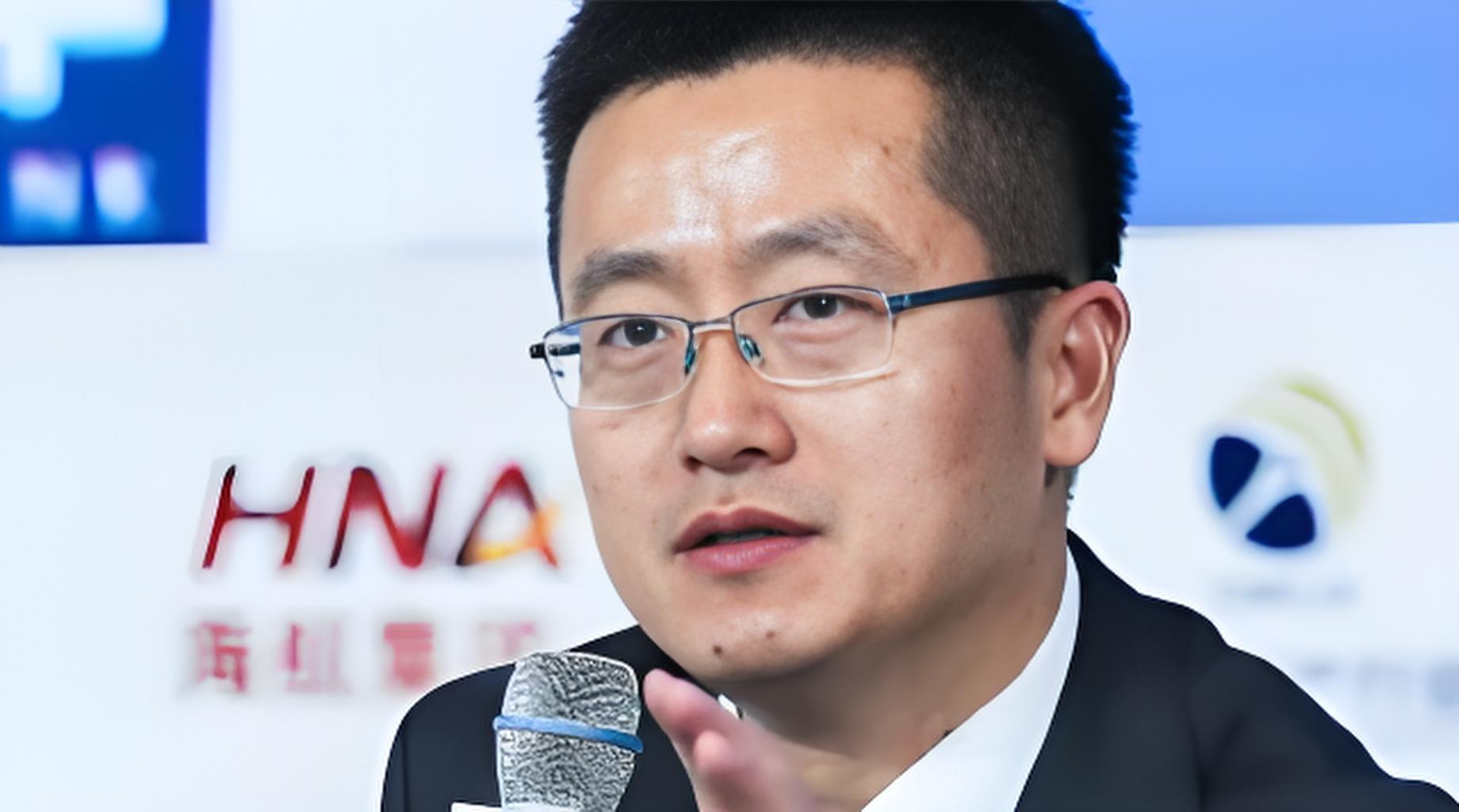
Zhang Ming 张明 | Chinese Academy of Social Sciences Institute of Finance deputy director
When the income share of GDP declines, notes Zhang, so does purchasing power and effective demand generated by households and firms. Shelving the official ‘supply side’ mantra, Zhang turns instead to narrowing income gaps, shifting from supply-driven demand to demand-driven supply. Reform and opening indeed saw supply creating demand, he adds. Beijing’s long-term strategy involves boosting incomes via tax reform; enhancing social services will feed into effective demand and the ability to consume.
Global finance economist Zhang specialises in capital flows and RMB internationalisation. A veteran of asset management and investment research, he is a deputy director and research fellow at the Institute of Finance, Chinese Academy of Social Sciences.