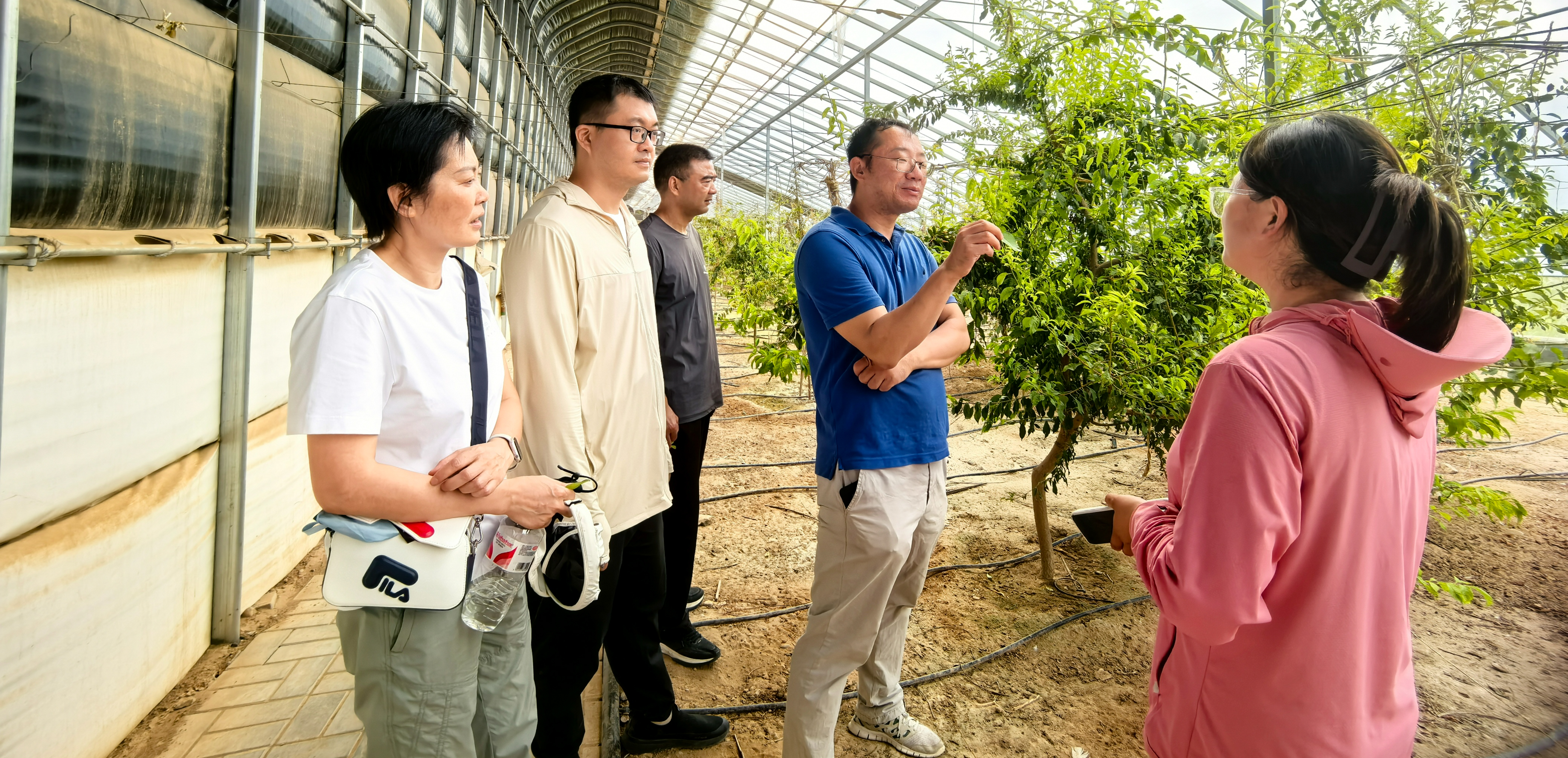
Twenty-nine countries signed the founding agreement of WAICO (World AI Cooperation Organisation) in Shanghai on 16 July 2026, in what Beijing calls the world’s first intergovernmental organisation dedicated to artificial intelligence. The agreement commits WAICO to 共商共建共享, ‘shared consultation, joint construction, shared benefit’, the formula Beijing has used for the Belt and Road Initiative since 2013, now applied to artificial intelligence.
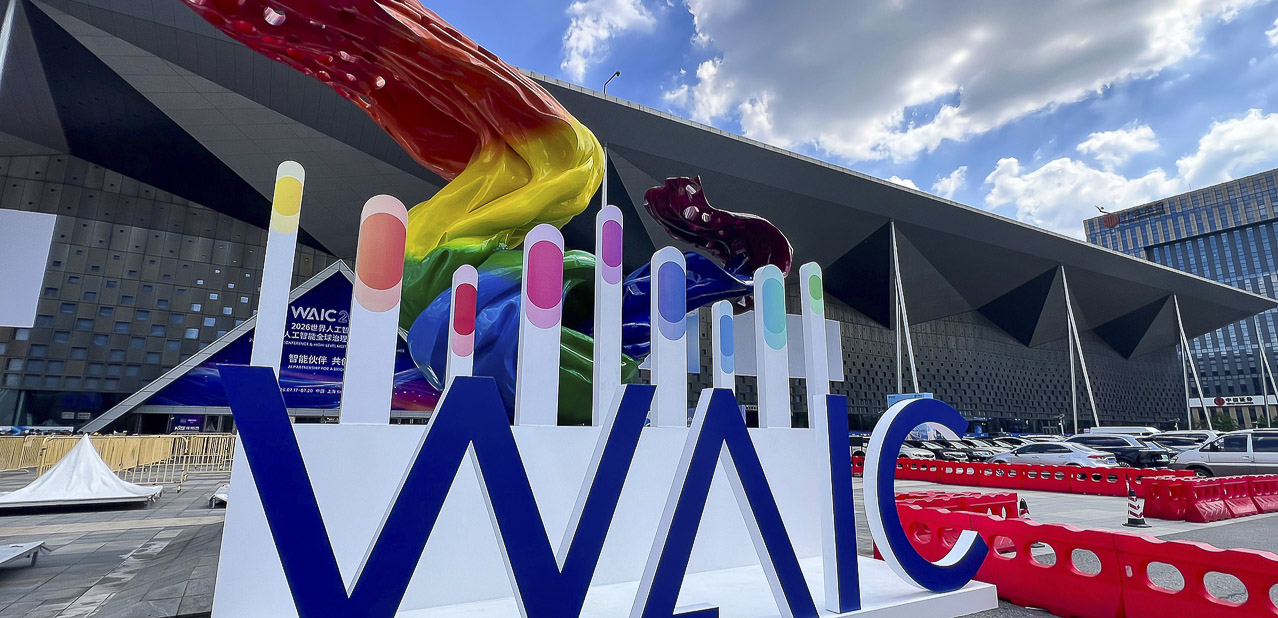
Once a description of uneven post-pandemic recovery, the notion of a K-shaped economy has become an organising frame for PRC macro debate, increasingly common in commentary on the economy’s direction. The argument now turns on what is driving the divergence, and therefore what policy should do about it.
-
the next test for east–west collaboration
-
WAICO: training the Global South
-
same K, different diagnoses
-
Beijing swaps credit quotas for market rules
monitoring
recent commentary
-
circular economy...read more25 Aug 2026
-
growth modelstrategic and emerging industriesspatial planninginfrastructurecentral SOEstech transfer, R&Dinternet infrastructure...read more25 Aug 2026
-
going globalODIforeign policy rhetoricexternal law...read more24 Aug 2026
-
growth modelstrategic and emerging industriescyber and data securityscience and technologytech transfer, R&D...read more21 Aug 2026
-
Wei YimingBeijing Institute of Technology Carbon Neutrality System Engineering Lab director Beijing Institute of Technology
analysis
month in focus
sign up for our complimentary monthly roundup